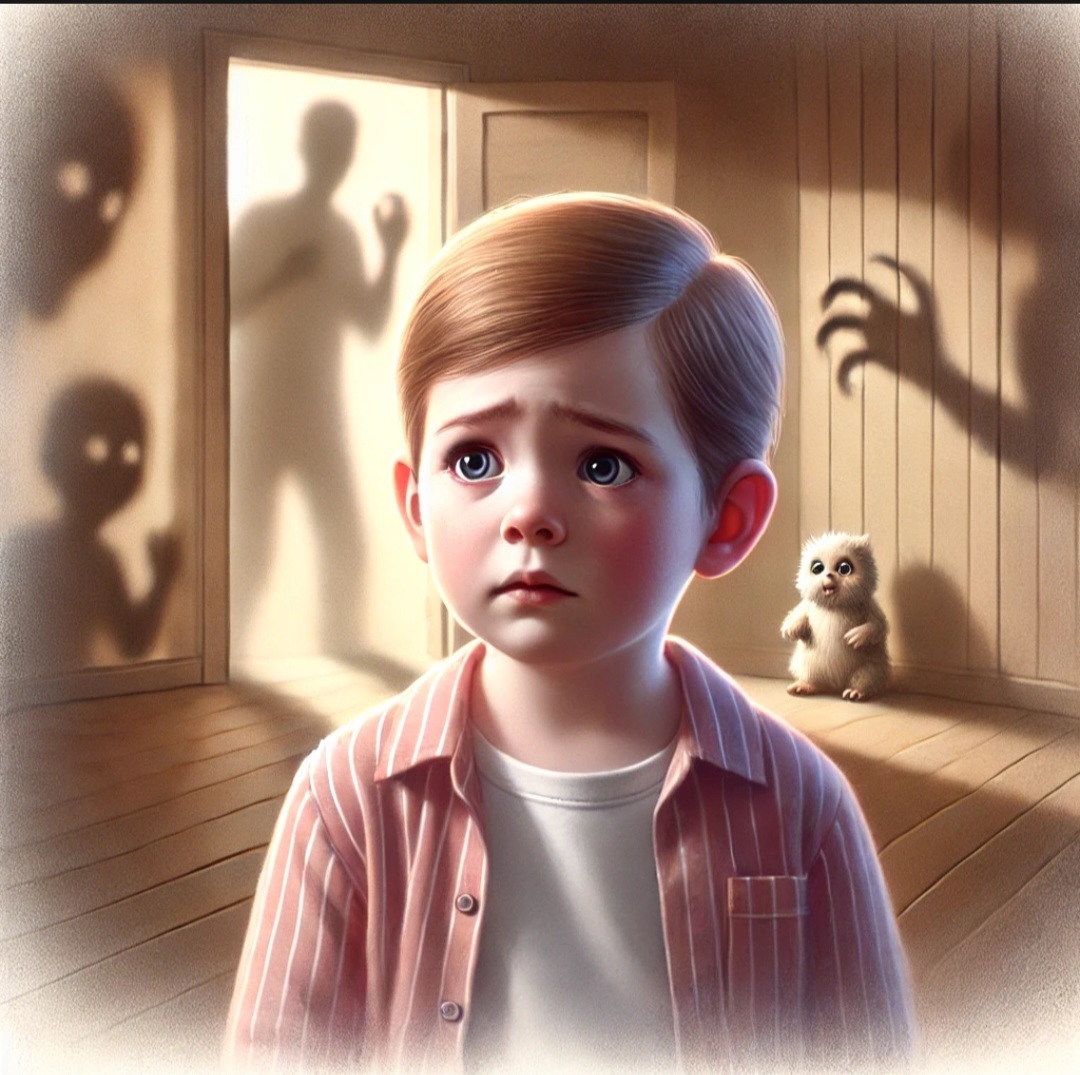
One often overlooked aspect of autism is the complex relationship between phobia and autism. ‘Phobia‘ or ‘Fear‘ is a pervasive and debilitating emotion that affects many autistic individuals, impacting their daily life, anxiety levels, and overall well-being.
Prevalence of Fear in Autism
Research suggests that individuals with autism experience higher levels of fear and anxiety compared to their neurotypical peers. Studies indicate:
- 70-80% of autistic individuals experience anxiety disorders.
- 40-60% experience specific phobias.
- 20-40% experience social anxiety disorder.
- 15-30% experience obsessive-compulsive disorder (OCD).
Most studies show that around half of children with autism satisfy criteria for at least one anxiety disorder, despite prevalence rates ranging from 11% to 84%. Specific phobias are the most prevalent anxiety disorder type, with prevalence estimates ranging from 31% to 64%. The prevalence of phobias among children in the general population, however, is thought to range from 5% to 18% (White, Bray & Ollendick, 2012). [Source: https://www.healisautism.com/post/help-children-autism-phobias ]
Types of Fears in Autism
Autistic individuals may encounter various fears, including:
- Social Fears: Fear of social interactions, rejection, or ridicule.
- Sensory Fears: Fear of overwhelming sensory experiences (e.g., loud noises, bright lights).
- Specific Phobias: Fear of specific objects or situations (e.g., spiders, depth, closed spaces, heights, fire, etc).
- Existential Fears: Fear of change, uncertainty, or loss of control.
- Anticipatory Fears: Fear of upcoming events or situations.
- Fear of Uncertainty: Fear of unpredictable outcomes or situations.
- Fear of Loss: Fear of losing loved ones, objects, toys, routines, or control.
Causes of Fear in Autism
Understanding the causes of fear in autism is crucial for developing effective management strategies and improving quality of life. The causes of fear in autistic individuals are complex and multifaceted. By recognizing the interplay between neurobiological, environmental, cognitive, developmental, genetic, and psychological factors, we can develop effective management strategies to alleviate fear and improve overall well-being. Several factors contribute to the development of fears in autistic individuals:
1. Neurobiological Factors
i. Brain Structure and Function: Differences in brain regions responsible for fear processing, such as the amygdala and prefrontal cortex.
ii. Sensory Processing: Hypersensitivity or hyposensitivity to sensory stimuli, leading to overwhelming or frightening experiences.
iii. Neurotransmitter Imbalance: Abnormalities in serotonin, dopamine, and other neurotransmitters regulating fear and anxiety.
2. Environmental Factors
i. Trauma and Experience: Past traumatic events or negative experiences, such as bullying or abuse.
ii. Social Interactions: Difficulties with social interactions, leading to feelings of anxiety and fear.
iii. Uncertainty and Unpredictability: Challenges with coping with unexpected events or changes.
iv. Sensory Overload: Overwhelming sensory experiences in everyday environments.
3. Cognitive Factors
i. Executive Function: Challenges with planning, organization, and problem-solving, leading to feelings of anxiety and fear.
ii. Rigid Thinking: Difficulty with flexibility and adapting to change.
iii. Catastrophic Thinking: Exaggerated or irrational fears and worries.
iv. Lack of Control: Feeling powerless or unable to control events.
4. Developmental Factors
i. Early Life Experiences: Adverse childhood experiences, such as neglect or abuse.
ii. Developmental Delays: Delays in cognitive, social, or emotional development.
iii. Parent-Child Interaction: Dynamics and attachment styles influencing fear development.
5. Genetic Factors
i. Family History: Genetic predisposition to anxiety or fear disorders.
ii. Genetic Mutations: Specific genetic mutations associated with autism and fear.
6. Psychological Factors
i. Anxiety and Stress: Cumulative effect of daily stress and anxiety.
ii. Learned Behavior: Fear learned through observation or experience.
iii. Self-Esteem and Confidence: Negative self-perception and lack of confidence.
Impact of Fear on Autistic Individuals
Fear can significantly impact daily life of an individual, leading to:
1. Anxiety and Stress: Fear can lead to increased anxiety and stress levels, exacerbating existing mental health conditions.
2. Avoidance Behaviors: Fear can cause individuals to avoid situations, activities, or environments, limiting social interaction and experiences.
3. Social Isolation: Fear can lead to social withdrawal, further exacerbating feelings of loneliness and isolation.
4. Sleep Disturbances: Fear-induced anxiety can disrupt sleep patterns, affecting physical and mental health.
5. Decreased Quality of Life: Fear can significantly reduce overall well-being, impacting daily functioning and happiness.
Strategies for Managing Fear in Autism
Effective management of fears requires a comprehensive approach:
- Understanding and Acceptance: Recognize and accept the individual’s fears.
- Communication and Support: Open communication and emotional support.
- Exposure Therapy: Gradual exposure to feared situations or objects.
- Cognitive-Behavioral Therapy (CBT): Addressing negative thought patterns.
- Sensory Integration Therapy: Managing sensory experiences.
- Visual Schedules and Routine: Providing structure and predictability.
- Mindfulness and Relaxation: Teaching relaxation techniques.
We shall discuss the strategies for managing fear in Autism in detail, in our next week’s blog.
The complex relationship between fear and autism demands attention and understanding. By acknowledging the prevalence and types of fears, addressing underlying causes, and implementing effective management strategies, we can support autistic individuals in overcoming their fears and improving overall quality of life.
Resources
- Autism Society: Anxiety and Autism
- Autistic Self Advocacy Network (ASAN): Managing Anxiety
- “The Autism Breakthrough” by Raun K. Kaufman
- “Thinking in Pictures” by Temple Grandin
- “Anxiety and Autism” by Dr. Tony Attwood
References
- “Fear and Anxiety in Autism” by Dr. Susan W. White
- “The Relationship Between Fear and Autism” by Dr. Emma Hill
- “Autism and Anxiety Disorders” by Dr. Eric A. Storch
- “Cognitive-Behavioral Therapy for Autism” by Dr. Angela Estes
- “Sensory Integration and Autism” by Dr. Winnie Dunn.
Author Shilpi Mayank Awasthi
Leave a Reply