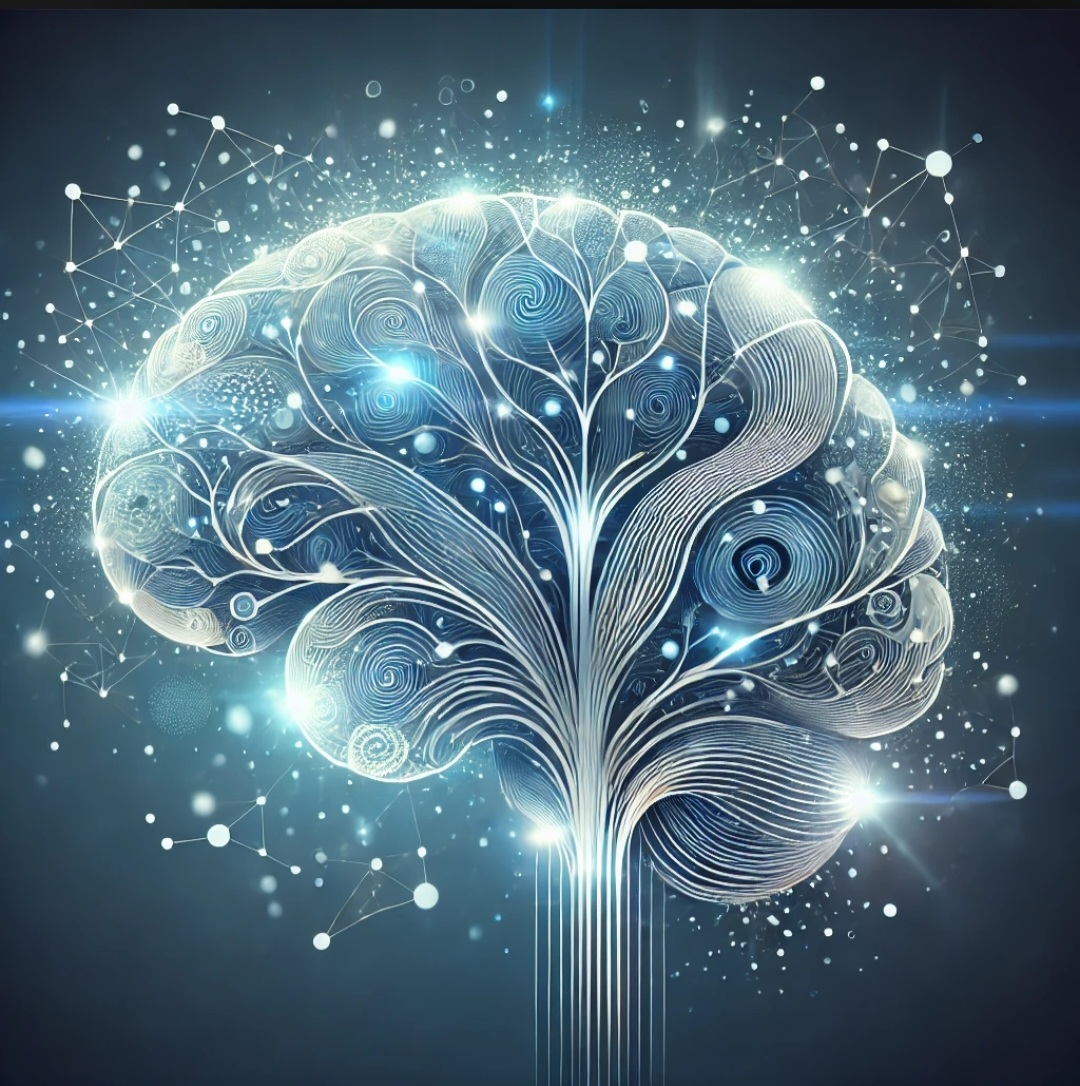
For centuries, scientists believed the brain was an unchangeable entity. However, groundbreaking research reveals the brain’s incredible adaptability through neuroplasticity.
What is Neuroplasticity?
Neuroplasticity refers to the brain’s ability to reorganize, adapt and change in response to new experiences, environments and learning. This concept challenges the long-held idea that the brain is a static, unchangeable entity.
Types of Neuroplasticity
1. Synaptic Plasticity
Strengthening or weakening connections between neurons.
2. Neuronal Plasticity
Birth of new neurons or death of existing ones.
3. Functional Plasticity
Changes in brain function without structural changes.
How to Rewire Your Brain
1. Practice Neuroplasticity-Based Training
Engage in brain-challenging activities.
– Puzzles (e.g., Sudoku, crosswords)
– Brain teasers (e.g., logic puzzles)
– Learning new skills (e.g., languages, instruments)
– Memory games (e.g., memory matching, chess)
2. Meditate
Regular meditation leads to changes in brain structure and function.
– Mindfulness meditation
– Loving-kindness meditation
– Transcendental meditation
3. Exercise
Physical exercise promotes blood flow to the brain, boosting neuroplasticity.
– Aerobics (e.g., running, cycling)
– Dance (e.g., ballet, hip-hop)
– Swimming
4. Get Enough Sleep
Sleep is essential for brain reorganization and consolidation.
– Aim for 7-9 hours of sleep per night
– Establish a consistent sleep schedule
5. Seek New Experiences
Novelty stimulates neuroplasticity.
– Travel to new places
– Try new hobbies (e.g., painting, gardening)
– Meet new people
Benefits of Neuroplasticity
1. Improved Cognitive Function
Enhanced memory, attention and processing speed.
2. Recovery from Injury
Neuroplasticity helps compensate for damaged brain areas.
3. Mental Health
Rewiring the brain aids in managing anxiety, depression and trauma.
4. Personal Growth
Neuroplasticity enables changing habits, behaviors and perspectives.
Activities to Enhance Neuroplasticity
1. Brain Games
– Lumosity
– Peak
– BrainHQ
2. Learning Platforms
– Coursera
– edX
– Udemy
3. Mindfulness Practices
– Yoga
– Tai chi
– Mindfulness meditation
4. Creative Pursuits
– Painting
– Writing
– Music
Resources
1. Books
– “The Brain That Changes Itself” by Norman Doidge
– “Neuroplasticity” by Dr. Richard Hill
2. Websites
– Harvard Business Review
– Neuroplasticity and Education
3. Apps
– Lumosity
– Peak
– BrainHQ
Additional Tips
1. Start Small
Begin with short exercises and gradually increase duration.
2. Consistency
Make neuroplasticity training a daily habit.
3. Variety
Mix activities to challenge different brain areas.
4. Patience
Neuroplasticity develops over time.
Neuroplasticity empowers you to transform your life. By embracing brain adaptability, you can overcome challenges, unlock potential and create a brighter future. Remember, your brain is capable of change – harness its power!
Author Shilpi Mayank Awasthi
Founder SpecialSaathi


Leave a Reply